Tactical Evolution: Confronting the Dual-Phase Corvid in the Giant Tree Zone
Aug 10, 2026
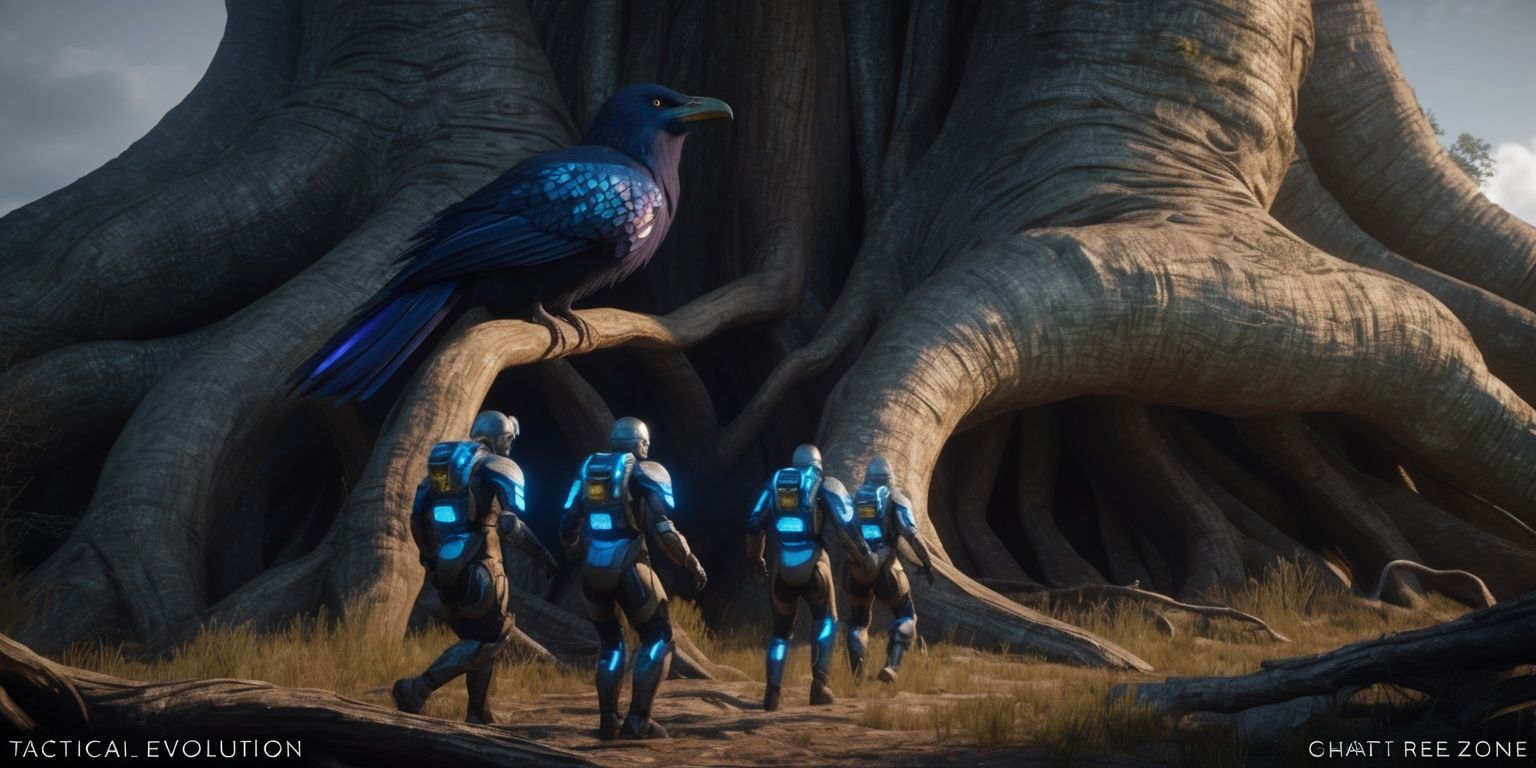
The world of Beast of Reincarnation unfolds an adventure where each encounter demands thoughtful tactics and seamless shift between offense and defense. In this realm, players come face to face with challenges designed to test their expertise, and none is more iconic than facing a notorious corvid malefact. This particular foe, renowned for its ability to surprise even seasoned adventurers, brings together a blend of nimble movement and unpredictable attacks. As you prepare to engage in one of the game’s most intricate battles, you will find that each engagement provides unique insights into enemy behavior and defensive adaptation. The subsequent narrative explores various dimensions of this combat scenario, inviting you to immerse yourself in both the artful design and strategic depth of each encounter.
Encounter Setting in the Ancient Grove
Within the Giant Tree Zone of Beast of Reincarnation, the initial confrontation with the corvid malefact takes place in a setting replete with organic textures and the eerie ambiance of nature twisted by magic. This area, characterized by colossal trees and ambient light filtering through intricate foliage, sets Consider using: "the atmosphere of a clash that is as" This rephrased segment maintains the original context while ensuring originality and smooth integration into your sentence much about environmental strategy as it is about combat prowess. The surroundings themselves impose constraints and opportunities, forcing players to utilize cover and movement patterns strategically. The aesthetically dark yet vibrant backdrop not only reinforces the fantasy theme but also accentuates the unique behavior of the foe. Here, every step and dodge is critical and the setting becomes an integrated element of the challenge, underscoring the game’s intricate design.
Strategy Evolution in the First Encounter
During the initial clash on Line 0 in the Giant Tree Zone, the mechanics of the confrontation gradually introduce players to the corvid malefact’s style and attributes. In this singular phase encounter, the foe employs a handful of attacks designed to test basic dodging skills and timing. The simplicity of the early phase serves as an essential primer, allowing players to decipher attack sequences and identify patterns that will be magnified in later battles. Though the malefact’s offensive display may seem limited at first, the significance of every move is magnified by the environmental obstacles that influence the flow of combat. This formative segment in the encounter encourages thoughtful pacing, where positioning and anticipation facilitate a smooth transition to more rigorous challenges ahead.
Complexity in the Second Engagement
Transitioning to the second battle on Line 1, the encounter with Corvus intensifies not simply through an escalation in power levels but by the introduction of additional combat elements. The adversary now exhibits three extra levels of difficulty and incorporates an additional attack that demands sharper reflexes and refined strategy. With the inclusion of a secondary phase marked by an additional health indicator, the battle becomes more layered, requiring sustained focus and agility. Even though the core mechanics remain consistent with the first encounter, the evolved complexity forces the player to adapt to an incrementally challenging dynamic. This progression in the battle’s structure mirrors the game’s broader narrative of rising stakes and strategic depth, ensuring that each encounter remains memorable and decisive.
Understanding Corvus's Tactical Repertoire
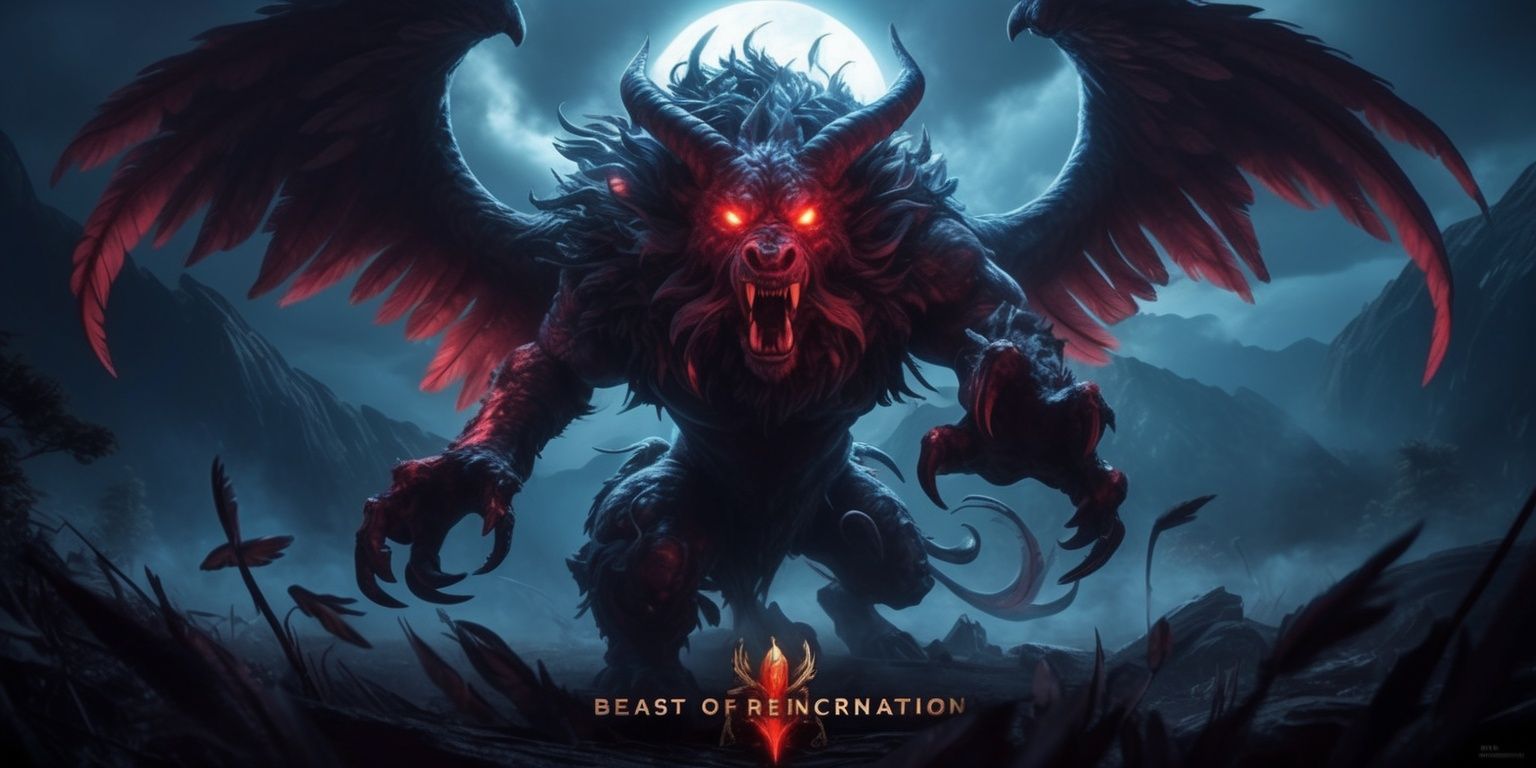
The adversary in question is not simply a test of physical reflexes but also a puzzle of tactical execution, offering a rich array of attack patterns that require careful observation. Corvus’s ability to utilize multiple strikes, notably through its dive maneuver, means that understanding its tactical elements is key to outmaneuvering its advances. In both encounters, the dive attack plays a central role, yet during the final phase it is empowered by an additional, corrosive twist that demands rapid repositioning. Recognizing subtle shifts in the foe’s approach, such as the enhanced dive imbued with an elemental effect during the later phase, becomes critical for survival. This multifaceted tactical design invites players to study patterns closely, blending instinct with deliberate strategy to neutralize threats effectively.
Emphasis on Movement and Responsiveness
A significant facet of this boss fight revolves around movement, where the timing and direction of dodges can be as crucial as offensive maneuvers. Players must remain attentive to the malefact’s rhythmic thrusts and retreat maneuvers, which require a healthy blend of strategic positioning and spatial awareness. As the enemy initiates its dive during both encounters, the necessity to pivot quickly around obstacles in the Giant Tree Zone reinforces the importance of agility. This focus on movement is interwoven into the game’s core design, demanding that players think several steps ahead when planning their evasive paths. The collision of fluid motion and calculated positioning offers a dynamic interplay that elevates the combat experience well beyond traditional, static encounters.
Adaptability Against Enhanced Attack Phases
The encounter’s shift into a more formidable phase brings with it an added layer of complexity, challenging players to adapt swiftly to an evolving threat landscape. In this stage, the malefact adds a supplementary attack to its established repertoire while simultaneously transitioning into a two-phase battle structure. This new phase, characterized by an extra health bar and augmented offensive capabilities, compels players to revisit their prior strategies and refine them. Familiarity with the foe’s foundational patterns provides an advantage, yet the introduction of a further attack—infused with a corrosive mechanic—requires an increased level of vigilance. The game thus rewards adaptability by making every small adjustment count, ensuring that even experienced players must continuously reassess their tactics in response to these enhancements.
Refining Attack Patterns and Timing
Detailing further into the mechanics, one observes that the malefact’s moveset is meticulously designed to test both the offensive and defensive faculties of the player. The repetition of certain attacks provides a rhythm that can be anticipated, yet the periodic introduction of an enhanced assault—with a temporary boost infused in the latter phase—keeps the sense of urgency alive throughout the fight. Each pulse of attack is underscored by a slight delay that, if recognized, offers a window of opportunity to counterattack or dodge with precision. This delicate balance between predictability and surprise ensures that every moment is critical amid the intense heat of battle. The finely tuned attack cadence requires players to synchronize their actions very closely with the enemy’s behavior, making timing a critical component of successful engagement.
Functionality and Design of the Boss Encounters
The structure of the boss encounters in Beast of Reincarnation speaks volumes about the integration of gameplay mechanics with narrative progression. The decision to stage two separate yet interconnected battles against Corvus is an expression of the game’s commitment to layered challenges. The initial encounter functions as a preparatory session, subtly acclimating players to the nuances of the enemy’s behavior. In contrast, the subsequent battle solidifies these lessons by adding complexity through increased difficulty levels and modifications in the foe’s attack profile. The deliberate design not only rewards persistence and strategic planning but also offers a satisfying escalation in challenge. This layered approach to boss design reinforces the overall theme of growth and adaptation, drawing players deeper into an intricately woven game universe.
Visual and Aesthetic Elements in the Confrontation
The visual design of the encounters with the corvid malefact is integral to the immersive experience that Beast of Reincarnation offers. The aesthetics of the Giant Tree Zone, with its towering arboreal structures and dappled sunlight, lend a surreal yet foreboding quality to the battlefield. These elements are amplified as the malefact takes center stage, with dynamic lighting and shadow interplay underscoring each aggressive maneuver. The creature itself is depicted with intricate detail, melding elements of myth and natural beauty to evoke a sense of dread interlaced with admiration. Visual cues such as the shimmering effects during its enhanced dive add a tactile layer to the gameplay, urging players to factor in not only the strategic implications but also the rich, carefully crafted artistry of the scene.
Resource Management and Reward Analysis
Beyond the immediate thrill of combat, engaging with Corvus offers meaningful insights into resource management and reward systems present in the game. Successfully navigating the dual encounters means not only overcoming a daunting challenge but also reaping the benefits of strategic planning and prudent inventory management. The malefact’s defeat yields valuable in-game resources, reinforcing the connection between effort and reward. This dynamic encourages players to deliberate over their approach and make cautious, informed decisions throughout the battle. In a game that intertwines tactical combat with resource conservation, every victory It functions as both a significant landmark and a springboard for future achievements for future encounters. The rewards obtained after a successful confrontation provide both a tangible sense of progression and essential insights for tackling subsequent challenges in the game’s expansive universe.