Monster Hunter Outlanders Bestiary Guide: Monsters, Behaviors, and Battle Design
Nov 10, 2026
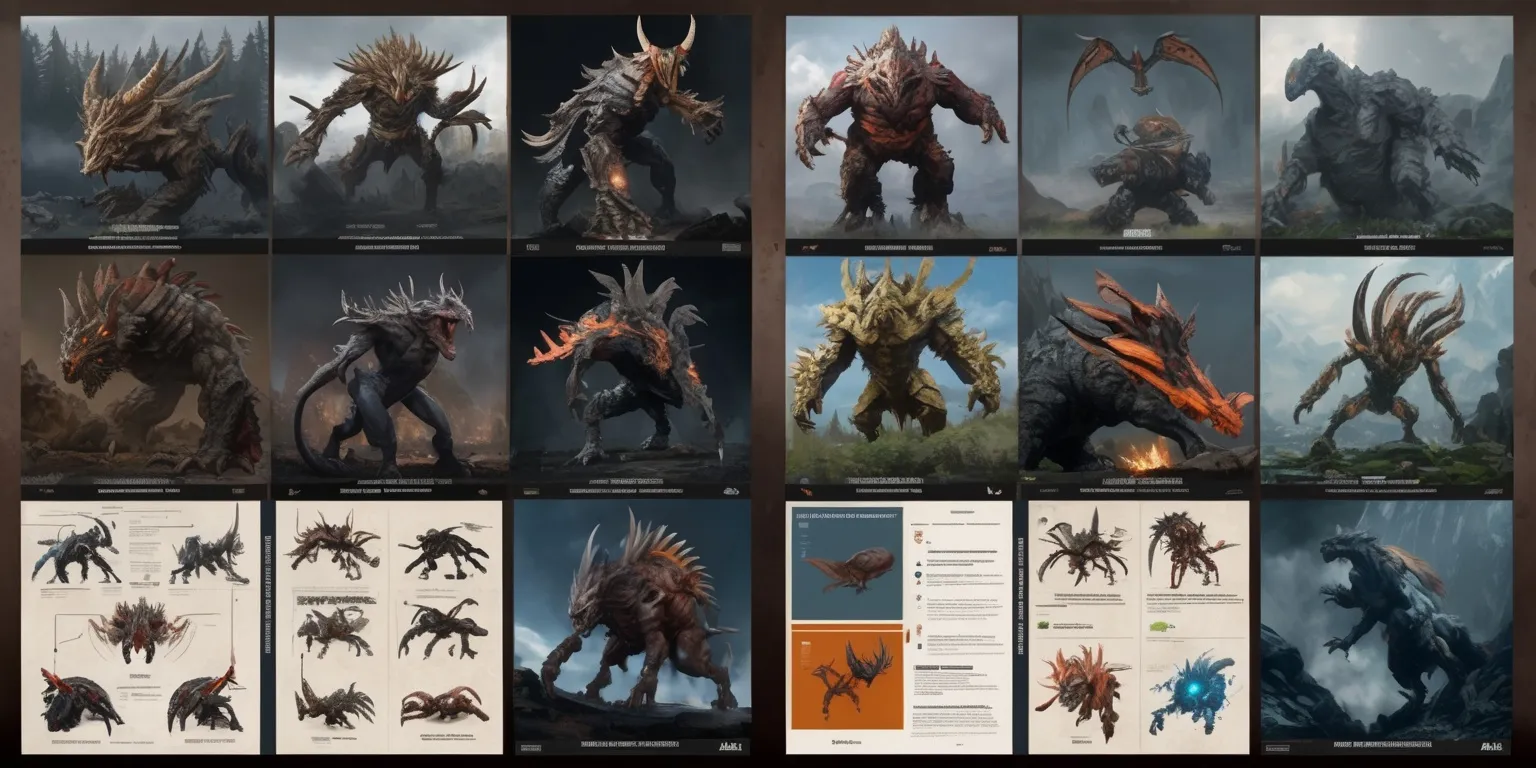
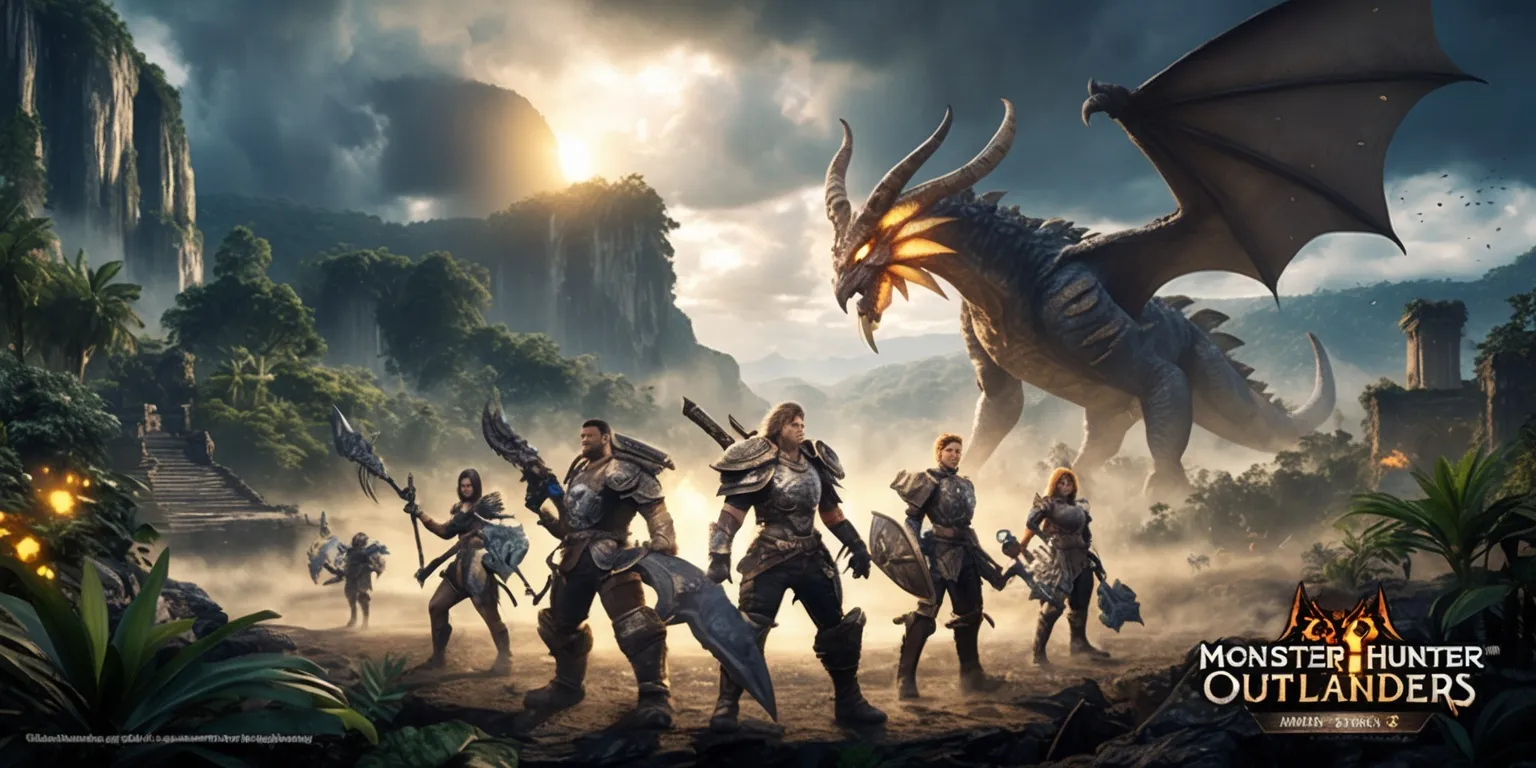
Monster Hunter Outlanders brings the series’ unmistakable creature design for mobile in a manner that feels recognizable to longtime fans and approachable for newcomers. The moment you step into its hunts, the game makes one thing clear: every encounter is shaped by the monster’s personality, movement style, and special tricks. Some creatures lean into elemental pressure, some rely on brute force, and others use awkwardly funny habits that become dangerous the instant you underestimate them. On a smaller screen, that variety matters even more, because each battle needs to read quickly while still delivering the tension and rhythm the franchise is known for. The roster also works as a living museum of the series, mixing legendary names with newer arrivals and one exclusive creation made especially for this mobile adventure.
Creature design that defines the hunt
One of the most remarkable aspects of Monster Hunter Outlanders is how clearly each monster signals its behavior through shape and movement. A long snout, heavy armor plating, oversized claws, or a puffed-up neck are not just visual flourishes; they are clues. The game’s enemy roster is built so that players can identify threats before they fully understand them, which makes every first encounter feel like a small puzzle. That design approach is especially effective on mobile, where battles need instant readability. Even when a monster is unfamiliar, its silhouette often reveals whether it will charge, leap, spray elemental damage, or control space with unusual body mechanics. The result is a bestiary that feels easy to remember, but still surprising when the fight starts.
Faces from the wider series
Many of Outlanders’ monsters are recognizable to players who have spent time with earlier Monster Hunter entries. That familiarity does more than create nostalgia; it gives the game a sense of continuing history. Rathalos and Rathian, for instance, represent the long-running identity of the series with their classic wyvern structure and reliable mix of aerial pressure and fiery ranged attacks. Nergigante and Kushala Daora bring the presence of Elder Dragons, while Legiana, Tobi-Kadachi, and Pukei Pukei reflect the more recent design era of Monster Hunter World. These returning creatures help Outlanders feel connected to the franchise’s broader ecosystem, while also making the mobile adaptation feel like a curated selection rather than a random assortment.
Anjanath and the power of obvious danger
Anjanath is the kind of monster that teaches caution immediately. Its large snout, heavy frame, and fire-based attacks make it feel like a direct threat from the first glance. Rather than relying on subtlety, the fight with Anjanath is built around bold movement and sudden bursts of pressure. It advances like a living battering ram and uses flame to keep hunters from settling into a comfortable rhythm. In a mobile setting, that clear aggression is valuable because the player can respond quickly without needing to decipher complicated tells. Anjanath also stands as a clear illustration of how Monster Hunter Outlanders turns a monster into a memorable combat lesson, since reading its nonverbal cues can be just as important as landing accurate attacks of your own.
Barroth, Jyuratodus, and mud as a weapon
Some monsters in the game do not simply attack from a distance or rush forward with claws and teeth. Barroth and Jyuratodus instead turn terrain and muck into battlefield assets. Barroth coats itself in mud and uses that layer both defensively and offensively, while Jyuratodus takes a more unpleasant approach by expelling mud directly toward hunters. These designs create fights where positioning matters just as much as timing. Mud-based monsters often force players to manage space carefully, since getting too close can lead to awkward movement and unwanted pressure. The shared theme between them also shows how Outlanders handles variation within a concept. One creature sprays, the other splashes, and both still feel distinct enough to stand apart within the same hazard family.
Diablos and the language of momentum
Diablos is one of the strongest examples of a monster whose danger comes from sustained momentum. With its massive horns and tail, it is built for direct, punishing movement, and its attacks reward awareness of where it is about to surge next. The creature’s design communicates weight, aggression, and extreme confidence, while the Black Diablos variation intensifies that feeling even further. These fights often feel like collisions between hunter planning and monster force. Instead of waiting passively, Diablos keeps the field active, which pushes players to react with discipline. In Monster Hunter Outlanders, a monster like this becomes an anchor point in the roster, reminding players that some enemies are less about trickery and more about enduring a powerful, relentless charge pattern.
Great Girros and the threat of escort creatures
Great Girros stands out not only because of its snake-like shape, but also because of the way it is accompanied by smaller Girros. That gives the encounter a layered feel, since the player is not always dealing with a lone enemy. Instead, the fight can become crowded, with smaller threats creating interruptions while the larger monster applies pressure. The venomous theme reinforces the creature’s identity, making it feel slippery and medically unpleasant in the best possible Monster Hunter fashion. Battles like this demonstrate how the game can use creature hierarchy to create texture. The larger monster commands the space, while the smaller ones distract, disrupt, and make the arena feel more alive than a simple one-on-one duel.
Great Jagras and the comedy of appetite
Great Jagras remains one of the series’ more memorable introductions because it turns a silly physical trait into a real combat hazard. Its body shape suggests a giant lizard with a constantly hungry attitude, and its signature attack uses that appetite in a way that is both absurd and dangerous. The creature’s behavior gives Outlanders a chance to show the playful side of Monster Hunter design, where a monster can look almost comedic until the player experiences its full attack pattern. Great Jagras is not the kind of enemy that intimidates through majesty; it wins attention by being oddly grotesque and unexpectedly annoying. That balance makes it useful early in the game, where a clear but unusual lesson can help players understand how strange this world can become.
Kulu-Ya-Ku and improvised offense
Kulu-Ya-Ku stands among the most charmingly awkward monsters in the roster, and that awkwardness is exactly what makes it interesting. Resembling a dodo bird in broad shape, it relies on scavenging rather than pure natural weaponry. It digs up objects and uses them in a way that feels improvised, as if the battlefield itself is accidentally arming it. That makes the creature feel more cunning than its appearance first suggests. In practical terms, the encounter becomes a reminder that targeting specific body parts can matter a great deal. If the arms are disabled, the monster loses a central part of its offensive identity. This creates a satisfying rhythm where observation, precision, and adaptation come together in a way that suits mobile play especially well.
Paolumu, Legiana, and aerial control
Paolumu and Legiana both introduce vertical pressure, but they do so in very different ways. Paolumu has a soft, almost charming look, yet it uses compressed air in its neck to remain airborne and launch attacks with surprising force. Legiana takes a colder route, using its airborne mobility to deliver ice-based danger that can slow down the pace of a fight dramatically. Together, they showcase how Outlanders uses flight not just as a visual trait, but as a functional system of threat. When a monster can lift off, the battle changes shape. Hunters must think about range, timing, and where the target may land next. These creatures make the environment feel less stable, which adds tension without making the game feel chaotic.
Nergigante and the weight of raw force
Nergigante is an Elder Dragon that communicates danger through scale, strength, and relentless physicality. Unlike monsters that lean heavily on elemental tricks, Nergigante’s menace comes from its ability to dominate space through body movement and sheer impact. That gives its encounters a brutal, direct quality. The fight feels like a test of whether the player can keep composure when the monster closes distance and applies pressure without hesitation. In the context of Monster Hunter Outlanders, Nergigante serves as a reminder that not every powerful enemy needs a flashy gimmick. Sometimes enormous force, combined with a fearsome design, is enough to create one of the game’s most unforgettable clashes.
Rathalos and Rathian as classic standards
Rathalos and Rathian remain central to the identity of Monster Hunter because they embody a balanced mixture of aerial movement, poison, and fire-based attacks. Rathalos is often treated as the iconic wyvern, while Rathian acts as a grounded but equally dangerous counterpart. Their similarities make them feel related, yet their differences keep the roster from becoming repetitive. Rathalos tends to feel more dominant in the air, while Rathian gives players a more earthbound but still hazardous encounter, with the Pink Rathian variant adding another layer of intensity. In Outlanders, these monsters are more than historical references. They act like benchmark fights, showing new players what the series expects in terms of movement reading, attack spacing, and patience under pressure.
Odogaron, Radobaan, and physical identity
Some monsters are immediately readable because their bodies tell the whole story. Odogaron is a sharp, fast predator with claws that look built for close-range punishment, while Radobaan wraps itself in a rolling form that makes its movement dangerous in a completely different way. Odogaron focuses on speed and proximity, creating tension through constant pursuit. Radobaan, by contrast, becomes threatening when it curls into a rolling mass and turns its own body into a moving hazard. Together, they show how Monster Hunter Outlanders varies combat rhythm by altering how monsters move through the arena. The player is not only tracking attack types but also adjusting to different physical identities, which is one of the series’ most notable and defining strengths.
Pukei Pukei, Tzitzi Ya-Ku, and sensory disruption
Pukei Pukei and Tzitzi Ya-Ku are examples of how Monster Hunter can build danger out of unusual sensations rather than raw strength alone. Pukei Pukei uses a long tongue and poisonous attacks to create a threat that feels strange and messy, while Tzitzi Ya-Ku uses flashing head antennae to stun and disorient opponents. These monsters rely on interference, making them effective because they disrupt the hunter’s ability to respond cleanly. On a mobile device, that can be especially engaging, since quick awareness matters so much. Their battles encourage players to stay alert to visual cues, environmental spacing, and timing windows. They also make the roster feel more playful, proving that not every foe has to become a towering beast to leave an impression.
Tobi-Kadachi and the static current effect
Tobi-Kadachi brings a more unusual kind of menace through the use of fur and static electricity. Its design is memorable because it combines a sleek animal form with an electrical concept that feels both natural and slightly fantastical. The result is a monster that seems to skate across the battlefield with a restless energy, then punish anyone who gets too comfortable. This creature also reflects one of the best aspects of Outlanders’ presentation: the game makes elemental behavior look physical. Electricity is not just a damage type here; it feels woven into the monster’s movement and posture. That makes Tobi-Kadachi a strong example of how a single design idea can shape both aesthetics and gameplay at once.
Ruger Aidal and the game’s original Elder Dragon
Ruger Aidal deserves special attention because it was created specifically for Monster Hunter Outlanders. That makes it more than a returning fan favorite; it is a statement of identity for the game itself. As an Elder Dragon, it carries the sense of being outside the normal order, but its distinctive appearance and abilities set it apart from anything seen in other entries. Original monsters matter in a series like this because they show that a new platform can still produce something singular. Ruger Aidal also gives Outlanders an exclusive focal point, something that mobile players can claim as part of this version’s unique ecosystem. Its presence suggests that the game is not just borrowing from the franchise’s past, but also adding to it with its own strange and memorable creation.
Targeting, research, and the rhythm of preparation
Beyond the monsters themselves, Outlanders rewards a methodical approach to hunting. Targeting body parts is especially important because many monsters rely on specific sections to enable their signature attacks. Breaking that connection can shift the flow of a battle dramatically. The game’s lock-on wheel makes this easier by letting players direct attacks toward particular areas without needing to fight the camera or lose track of movement. Research also plays a meaningful role, since monsters are not only defined by elemental weakness but by unique behaviors and exploitable traits. That gives the game a more investigative feel, making each encounter something to study rather than simply endure. In practice, this adds depth to the combat loop and makes preparation feel like part of the hunt itself.